Custom Landscape Design for Residential Properties
Starting with Creation and Ending in Maintenance: Uncover the Wide Range of Outdoor Services We Provide
Landscaping solutions involve a extensive array of services, from initial design concepts to continuous upkeep. Each phase is crucial in creating and sustaining an external space that corresponds with personal preferences and environmental considerations. By comprehending the procedure and alternatives at hand, homeowners can make informed decisions that enhance both aesthetics and functionality. What key elements should one take into account to ensure a prosperous outdoor renovation?
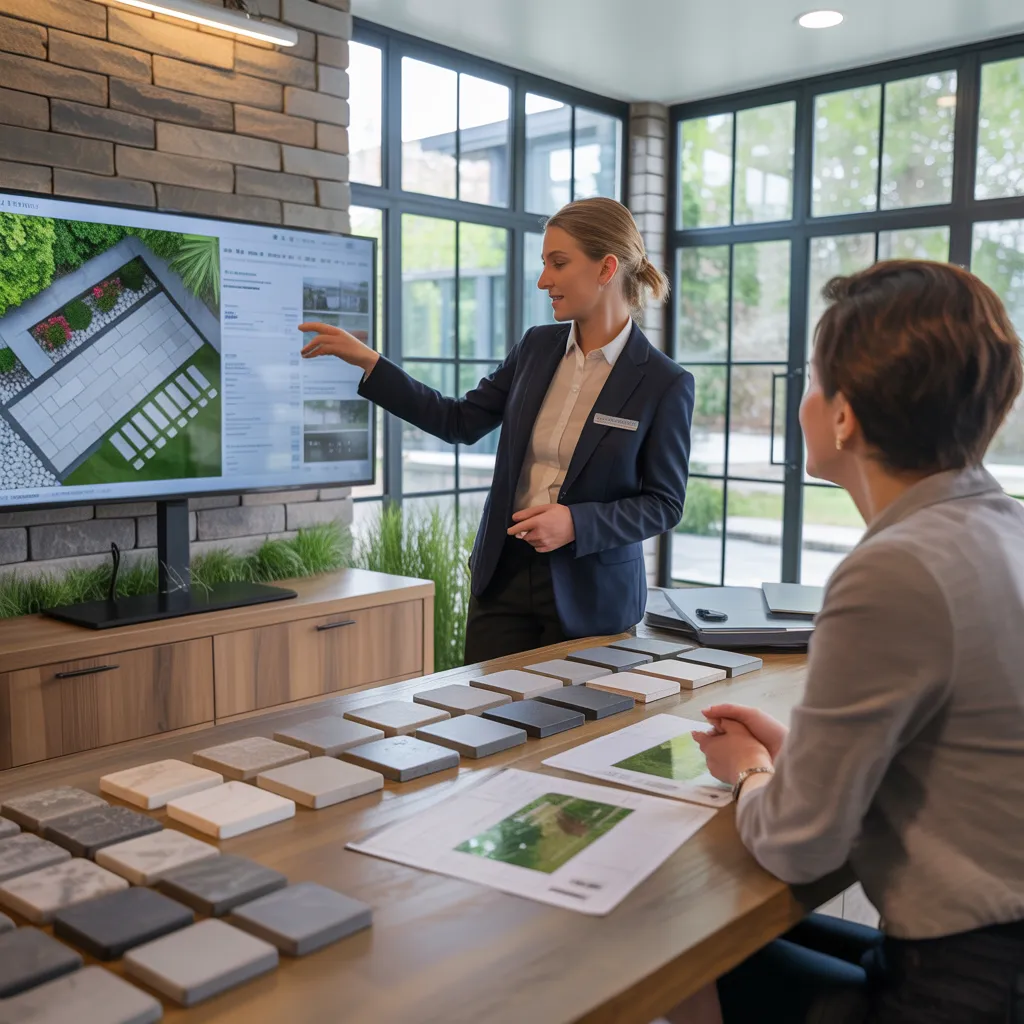
Guide for Developing Your Garden Design Concept
Establishing a landscape design plan is vital for designing an outdoor space that reflects individual taste and satisfies functional requirements. This informative guide approach begins with evaluating the existing environment, including ground composition, sunlight exposure, and climate considerations. Understanding these factors helps in selecting suitable plants and materials.
Next, individuals should reflect on their lifestyle and how they intend to utilize the space. Whether for entertaining, plant cultivation, or relaxation, these activities will determine design choices.
Visual inspiration may be obtained from various sources, like magazines, online platforms, or nature itself. Developing a mood board can aid in clarifying your desires.
At the end, establishing a budget is essential, as it determines plant variety, hardscape options, and overall complexity. Through synthesizing these factors, individuals can construct a coherent landscaping plan that reconciles visual appeal with practical use, enabling a accomplished outdoor renovation.
Building the Ultimate Landscape Design
Having a explicit landscaping vision established, the subsequent step involves formulating the perfect landscape design. This undertaking calls for a mixture of creativity and practical considerations. Effective landscape design commences by examining the site's unique characteristics, such as topography, soil type, and sunlight exposure. These factors guide the layout, ensuring the design betters the scenic appeal of the environment.
A effective layout integrates multiple elements, including hardscaping features like patios and pathways, alongside soft landscaping components such as lawns and gardens. Thoughtful placement of these components creates a balanced flow, guiding visitors through the space. Additionally, attention to scale and proportion ensures that each element complements the others, avoiding congestion or imbalance.
In the final analysis, the framework should reflect the client's preferences while preserving functionality. By carefully executing every detail, a landscape design can metamorphose the exterior zone into a astounding and engaging place, prepared to be appreciated year-round.
Selecting Plants That Flourish in Your Climate
Determining botanical options that thrive in a defined climate involves a thorough awareness of hardiness zones, which indicate which species can endure local temperatures. Additionally, prioritizing local flora can enhance natural stability and resilience in the landscape. Seasonal planting points also take an essential role in ensuring extended prosperity and robustness of the green space.
Grasping the Concept of Hardiness Classifications
Comprehending hardiness zones is vital for landscape professionals and landscapers seeking to grow plants that will thrive in their unique climates. These zones, defined by the USDA, classify areas based on average minimum winter temperatures. By recognizing the hardiness zone of a place, individuals can select plants that are more likely to withstand local climatic conditions. Each zone is numbered, with subdivisions showing slight temperature variations. For example, a plant classified under Zone 5 may not thrive in Zone 4, where winters are harsher. Knowing these zones aids in selecting plant selection, leading to healthier landscapes and minimizing chances of plant failure. This insight eventually contributes to a more sustainable and flourishing garden or landscape.
Indigenous Plant Selection
While many horticulturists may be drawn to pick exotic plants for their landscapes, opting for local plants often delivers better results. Local species are acclimated to regional conditions and terrain, demanding less water and maintenance compared to non-native varieties. They provide vital homes for regional fauna, fostering environmental diversity and natural equilibrium. Selecting native species can also decrease pest issues, as these plants are naturally resistant to local diseases. Moreover, incorporating native plants enhances the aesthetic appeal of a landscape by displaying the region's natural beauty. Plant enthusiasts are encouraged to explore the specific native plants suitable for their locality, ensuring a thriving garden that aligns with environmental sustainability. Ultimately, native plant selection forms a peaceful and durable landscape.
Understanding seasonal planting needs helps you succeed
In the process of preparing a garden, gardeners must take into account the shifting seasonal climates that shape plant growth and health. Choosing plants that excel in particular climate zones assures peak performance and longevity. For example, in warmer regions, drought-resistant plants might be selected, while cooler areas favor hardy perennials capable of withstanding frost. Knowing local weather patterns, including rainfall and temperature changes, aids in choosing the suitable species. Moreover, seasonal changes govern planting times; spring suits many annuals, and fall works well for certain perennials. By aligning plant choices with local climate conditions, gardeners can cultivate healthy, durable landscapes that flourish year-round, lessening upkeep and enhancing the garden’s aesthetic value.
Design Your Vision Outdoor Living Environment
Constructing a magnificent backyard environment encompasses careful consideration of personalized design strategies that mirror individual preferences. Practical exterior components, like seating areas and grilling zones, enhance practicality while supporting the visual appeal. In combination, these pieces convert a landscape into a personalized retreat.
Tailored Visual Resolutions
Tailored customized solutions offer homeowners the chance to transform their outdoor spaces into personalized sanctuaries. By considering individual preferences, lifestyles, and environmental factors, landscaping professionals create unique designs that reflect the homeowner's vision. These solutions encompass various elements, such as plant selection, hardscaping, and layout adjustments, ensuring that each outdoor space is both aesthetically pleasing and functional. Through collaboration with clients, designers can incorporate specific themes, colors, and materials, enhancing the overall appeal. The focus is on creating balanced environments that seamlessly integrate with the home while addressing the homeowner's practical needs. Ultimately, tailored design solutions not only elevate the beauty of outdoor areas but also foster a sense of connection with nature, enriching everyday experiences.
Outdoor Features That Function Well
Valuable outdoor features maintain an essential role in magnifying the operability and contentment of outdoor living spaces. These constituents, such as patios, decks, and outdoor kitchens, generate engaging areas for relaxation and fraternizing. Incorporating features like fire pits and water elements can present both charm and advantageous impacts, permitting homeowners to relish their yards year-round. Concurrently, well placed seating and dining areas stimulate communal events, while pathways and lighting bolster accessibility and welfare. sustainable options, like rain gardens and permeable paving, promote environmental vitality. To conclude, valuable outdoor features reimagine a yard into a adaptable space that fulfills diverse purposes, aiding homeowners to amplify their outdoor experience while nurturing a harmonious balance between nature and design.
How Can You Improve Your Landscaping Into a More Sustainable Space?
How can property owners transform their outdoor spaces into eco-friendly landscapes? One effective approach is to incorporate native plants, which need less water and upkeep while helping local wildlife. Using water-conserving species can greatly decrease water consumption, making landscapes more environmentally responsible.
Another option involves implementing rain gardens to manage stormwater discharge competently, facilitating rainwater to soak into the ground rather than being part of pollution. Homeowners can also choose sustainably-sourced fertilizer products and pest control methods to curtail chemical expenditure, promoting a superior ecosystem.
Incorporating permeable paving materials for walkways and parking areas can improve moisture absorption, decreasing soil degradation and water discharge. Additionally, installing compost bins promotes waste recycling and strengthens earth vitality.
Critical Continuous Landscape Services
What critical duties ensure a landscape remains vibrant and healthy throughout the year? Year-round landscape upkeep encompasses a variety of important activities that encourage optimal development and aesthetics. Regular mowing makes certain that grass remains healthy and at an optimal height, while seasonal fertilization provides essential nutrients. Pruning shrubs and trees not only maintains their shape but also encourages healthy growth and reduces the risk of disease.
Weeding is an additional significant duty since it stops conflict for resources among plants. Mulching helps in keeping soil moisture and suppresses weed growth, upgrading the overall appearance of garden beds. Seasonal inspections of irrigation systems also guarantee efficient water use, avoiding waste and promoting sustainability.
Transforming Your Space: Stunning Before and After
A properly groomed landscape sets the scene for dramatic changes that can enhance any outdoor area. Landscaping services specialize in revitalizing settings, showcasing astonishing before-and-after results that impress. These projects typically start with a careful assessment of the current landscape, identifying sections needing attention, such as thick foliage, worn pathways, or insufficient lighting.
Once the concept is settled, skilled professionals introduce additions that may incorporate new plantings, decorative features, and useful structures like patios or outdoor kitchens. The outcomes can be dramatic: vacant yards can become vibrant gardens, while uninspiring pathways can be changed into inviting walkways.
Photographs recording these transformations demonstrate the effectiveness of expert landscaping. The notable contrast between the initial state and the finished project underscores not only aesthetic appeal but also the improved value of the residence. Ultimately, a beautifully transformed landscape can produce a inviting space, enriching the complete enjoyment of outdoor living.

Common Questions Raised
How Much Will Average Landscaping Work Cost?
The typical price of lawn care services usually falls from $1,500 to $5,000, depending on elements like project size, complexity, and materials used. Homeowners often find variable pricing determined by market conditions
How long Does a Landscaping Project Typically Require?
A landscaping undertaking typically demands one to four weeks, depending on factors including project size, complexity, weather conditions, and the specific services required. Strategic planning can help streamline the timeline effectively.
Do You Offer Seasonal Landscaping Solutions?
Certainly, seasonal landscape solutions are provided, such as spring clean-ups, summer maintenance, autumn leaf removal, and winter preparations. These services assure landscapes continue to be healthy and visually appealing throughout the changing seasons, addressing specific seasonal needs proficiently.
Will I Be Able to Maintain My Landscape Myself Post-Implementation?
Yes, maintaining a landscape independently after installation is possible. However, it demands knowledge of proper techniques, tools, and seasonal care to guarantee the landscape remains healthy and aesthetically pleasing over time.
Which Equipment Do You Use for Landscaping Jobs?
Landscaping jobs typically need tools such as lawnmowers, trimmers, blowers, shovels, rakes, and various power tools. Larger projects may also include excavators and trucks for moving materials, enhancing efficiency and precision in the work.